Walk into a great daycare and you feel it before you see it. The air seems fresh, the colors feel warm and calm, surfaces look clean without smelling like chemicals, and the space invites kids to play while reassuring parents that health has been thought through. A lot of that comes down to paint. Not just the shade on the walls, but the products, the preparation, and the way the crew handles the job. When you’re running a daycare on Staten Island, you’re making decisions with real stakes: children’s health, staff comfort, regulatory compliance, and your reputation. Professional painting is not cosmetic here, it’s part of your safety plan.
What “Safety First” Really Means in a Daycare Paint Project
You hear “low-VOC” and “kid friendly” tossed around by paint companies, and those are important. But safety begins much earlier than color selection. It’s a chain of decisions that runs from the first site walk to the final wipe-down. A seasoned commercial painter approaches a daycare differently than an office or retail store. The crew plans for high-touch surfaces, tiny hands that go from wall to mouth, nap schedules, allergy sensitivities, and the reality that a director can’t shut down operations for two weeks.
For most daycare centers on Staten Island, the right strategy blends scheduling, containment, and product selection. You’re looking for a contractor who will talk about phased work, negative air, HEPA filtration, handoff inspections, and documentation, not just “we’ll be quiet and quick.” In other words, you want a professional painting partner who treats your classrooms like a healthcare environment, not just another jobsite.
The Local Reality: Staten Island Buildings and Codes
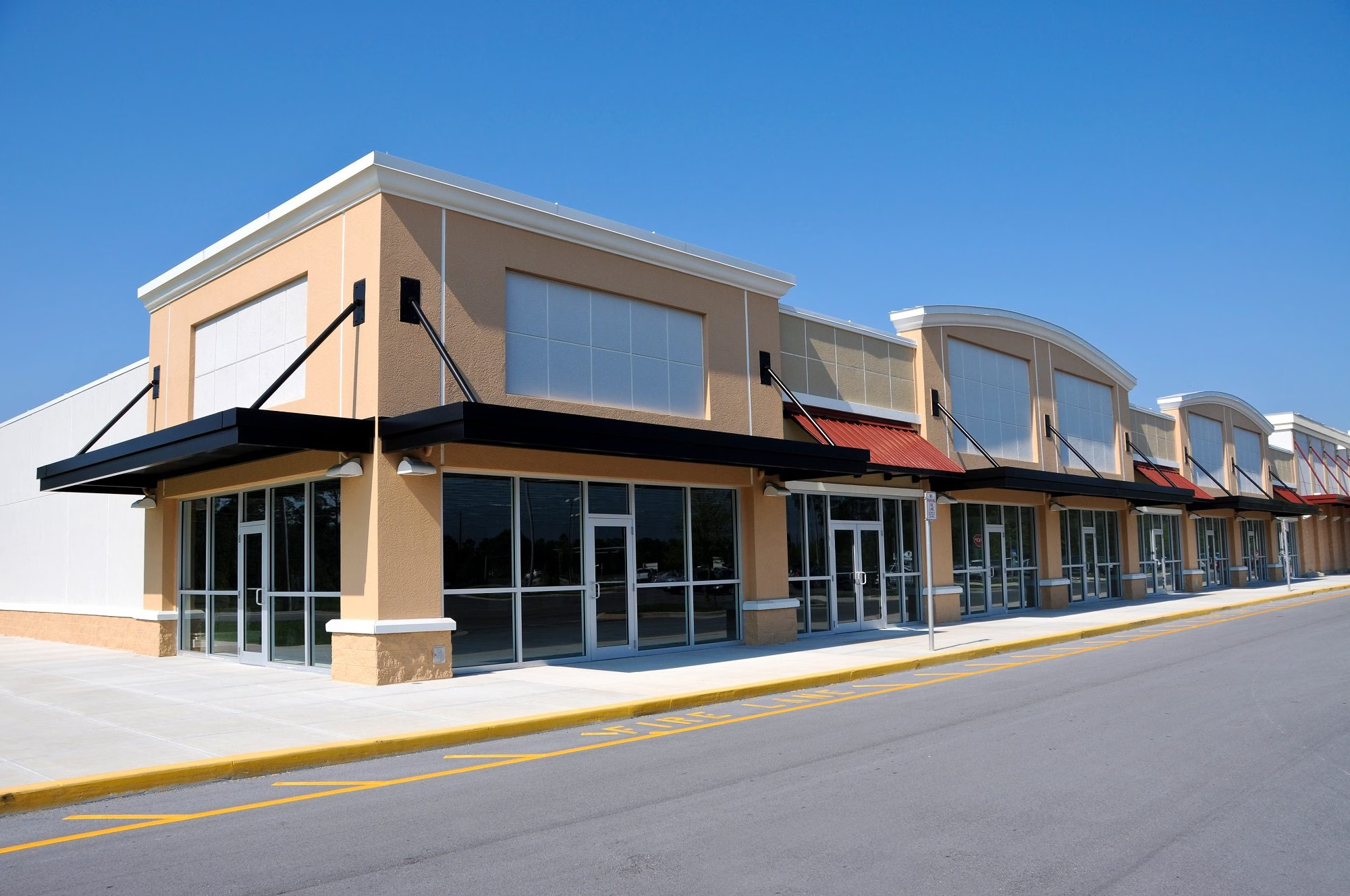
Daycares operate in a range of buildings here: converted two-family homes in Annadale, storefront spaces along Hylan Boulevard, church basements in West Brighton, and newer multi-tenant buildings near the ferry. Each one brings quirks. Older plaster walls that chalk when sanded. Masonry that wicks moisture after a nor’easter. Radiators that make corners run warm. And of course, the big one, any building built before 1978 may have lead-based paint somewhere in its history.
New York City’s regulations for childcare facilities require safe maintenance practices and often demand documentation when paint is disturbed. If lead is suspected, your painter must be EPA RRP certified and follow specific containment and cleanup methods. Even if your building is newer, city inspectors look for intact paint, cleanable surfaces, and evidence that you maintain them. When you hire for Commercial Painting in Staten Island, ask directly about local experience with daycares and what paperwork they provide. A local pro knows what an inspection looks like, what questions parents ask, and how to navigate work around arrival and pickup.
Choosing Products That Protect Little Lungs and Busy Hands
Let’s talk chemistry without getting lost in it. Paint is a mixture of binder, pigment, and solvents. The solvents evaporate as the paint dries and can release volatile organic compounds, or VOCs. Those compounds aren’t friendly to developing lungs. Even the smell of “fresh paint” can linger and trigger headaches for sensitive staff. The solution isn’t just “low-VOC.” You want zero-VOC base paints with zero- or very low-VOC colorants. Some brands sell low-VOC bases, then add high-VOC colorants that defeat the whole premise. A pro confirms the system, not just the label.
Beyond VOCs, daycare walls take abuse. Blocks scuff, toy strollers bump corners, crayon sneaks onto trim even with the best teachers. This is where scrubbable, high-performance coatings save you money and time. Look for interior acrylics rated for repeated scrubbing without burnishing. Semi-gloss or satin on trim and doors, eggshell or low-sheen on walls. Too shiny and every fingerprint pops. Too flat and you scrub right through the finish by spring.
One more detail that experience teaches: color fastness and touch-up compatibility. Some designer colors look beautiful under showroom lights but touch up poorly, flashing under fluorescent fixtures often found in classrooms. A painter with daycare mileage keeps a touch-up sample of the final batch and tests it under your actual lighting before signing off.
Indoor Air Quality: From First Brushstroke to First Day Back
Even with the right paint, air quality hinges on process. You want a plan that avoids trapping fumes and dust in learning spaces. Good crews stage the job so painted rooms cure with mechanical ventilation, not just cracked windows. On humid summer days, Staten Island can feel like a sponge. High humidity slows curing and keeps odors hanging around. The fix is deliberate air changes using negative air machines with ducting that exhausts outdoors, plus HEPA filters to capture ultrafine particles from sanding.
I’ve walked into too many projects where walls were scuffed, dust was wiped with a dry rag, and a new coat was laid down over residue. It looks fine day one, then bubbles or peels near the sink or by the art corner. Proper prep in a daycare includes wet-sanding or vacuum-sanding with HEPA extraction to minimize airborne dust. It also includes washing walls with a mild degreaser that is compatible with the selected primer. Classroom walls accumulate residues from hand sanitizer, cleaning sprays, and playdough oils. If you skip that cleaning, you compromise adhesion.
Lead, Asbestos, and Other Don’t-Take-Chances Topics
Not every daycare faces these issues, but ignoring the possibility can get you in trouble fast. Any building pre-1978 requires interior Painting a lead-safe approach if paint will be disturbed, even if previous remodels have covered older layers. EPA RRP protocols call for containment with plastic sheeting, warning signs, disposable PPE, wet methods, and thorough HEPA cleanup. A legitimate contractor shows certification and explains how they’ll isolate areas, maintain negative pressure, and test cleanliness before turnover.
Asbestos is less common in wall paint, more likely in pipe insulation, floor tiles, or some mastics you may uncover during repairs. Painters who do commercial work regularly will stop and flag suspicious materials before scraping or grinding. A daycare director should never have to play detective here. Your painter should take the conservative route, get a sample tested if something looks suspect, and coordinate with abatement pros when needed.
Surface Prep That Holds Up to Tiny Tornadoes
The toughest part of daycare maintenance isn’t getting the first perfect coat, it’s keeping the finish looking good after a winter of boots and backpacks. Proper surface prep multiplies longevity. On drywall, that means repairing dents with setting-type compound for durability, not just lightweight spackle that powders out. In high-impact zones like corridor corners, consider corner guards or a two-part epoxy on the first 36 inches of wall. It’s more expensive, but the math changes when you realize you won’t be repainting those areas every six months.
On wood doors and trim, oil-based legacy coatings still show up in older facilities. If a painter throws waterborne acrylic straight over that without scuffing and bonding primer, expect chipping where kids pull the door. The right sequence is degloss, sand with a vacuum extractor, apply a premium bonding primer that bridges slick surfaces, then a durable topcoat. Hinges and hardware should be removed or masked meticulously, because kids love to explore any rough paint edge or drip.
Bathrooms and kitchens deserve special attention. A moisture-tolerant primer prevents mildew from getting a foothold. The topcoat should be a moisture-resistant acrylic, not a paint-and-primer-in-one box-store shortcut. Caulk seams after priming so the seal adheres to a sealed surface and lasts longer. These are small decisions that mean the next cleaning doesn’t peel your new finish.
Color Psychology Meets Practical Reality
A paint schedule for a daycare can lift moods, reduce overstimulation, and help with wayfinding. The trick is balancing visual warmth with calm. I’ve seen centers swing from dentist-office beige to carnival-bright primaries, and neither works well. Soft greens and blues encourage focus and rest in nap areas. Warm neutrals with a hint of blush or peach flatter skin tones in infant rooms and make family photos look lovely on the wall. Accent colors can mark zones: a gentle coral stripe near the reading nook, a muted yellow in the art area that still hides a bit of marker trauma until cleanup.
But practical matters should steer some choices. Deep saturated colors can be hard to touch up. High-contrast schemes show scuffs along every transition. Magnetic paint feels clever until you realize it can show roller tracking in certain light and requires specific primers to avoid rusting bleed-through. If you want interactive walls, consider optically clear dry-erase coatings on a panel that’s washable and replaceable, not the whole wall.
Lighting makes or breaks the palette. Fluorescents push cool, LEDs vary in temperature. Test swatches at full size, 2 by 3 feet, in the actual rooms. View them at 8 a.m. and 4 p.m. A swatch that looks calm in morning light can feel chilly by afternoon when the shade covers the windows facing Victory Boulevard.
Scheduling Work Without Disrupting Care
Daycares cannot absorb big downtime. A professional painting plan respects that. The two most common models I’ve used on Staten Island are weekend sprints and phased evening shifts. Weekend sprints work for large rooms where you can throw a bigger crew and run ventilation hard through Sunday night, with handoff Monday at 6 a.m. Phased evenings suit smaller rooms or when you need to finish in segments, like half the toddler room at a time.
Communication is everything. Parents notice scaffolding in the hallway, and some will have valid concerns about fumes. A smart director shares the safety plan ahead of time: products used, ventilation methods, work hours, and contact if anyone has scent sensitivities. A good contractor provides that in a simple one-page summary with product datasheets available on request. It’s not marketing, it’s peace of mind.
The Crew’s Conduct Around Children and Staff
Even when work happens off-hours, painters interact with your environment. Crews should pass basic background checks and follow a sign-in, sign-out system. Tools cannot be left in a classroom overnight unless locked. Ladders get secured, outlets covered, and all chemicals stored in a dedicated, vented cabinet or removed from the site daily. Floors are protected with breathable, slip-resistant protection, not cheap plastic that becomes a skating rink during morning arrival.
Noise matters too. Even evening sanding echoes in older buildings. Soft-start tools, vacuum sanders, and thoughtful staging lower decibels. You’ll feel the difference Monday morning when staff walks in without a headache from weekend whine.

Budgets, Bids, and What You’re Actually Buying
Two bids can share the same square footage and still be apples and oranges. When you evaluate proposals for professional painting, look for line items that tell you the contractor understands a daycare environment: specific prep steps, product names including primers and colorants, VOC levels, ventilation plan, lead-safe process if relevant, mockup or sample room, touch-up kit with labeled cans and a mini roller, and a warranty that covers adhesion and workmanship for a realistic window, typically 18 to 36 months in high-traffic settings.
The lowest number often assumes normal office prep and generic paint. The higher number may account for HEPA equipment, safer products, and extra time to do two coats plus trims correctly. If a bid doesn’t mention patching beyond “minor,” ask how they define it. In classrooms, “minor” dents can run into dozens per wall. Agree on a punch-list process and a daily cleanup standard that staff can live with.
Here’s where Commercial Painting in Staten Island pays off: crews who work locally can mobilize quickly for touch-ups before a licensing visit or parent showcase. They also know where to source zero-VOC paints quickly if a color adjustment is needed mid-project. Local relationships save you days when you need hours.
Maintenance Plan: Keeping Walls Fresh Through a School Year
Paint is not a one-and-done investment in a daycare. Set expectations and you’ll stretch your budget. Ask your painter to leave a labeled maintenance kit: wall color, trim color, primer, caulk, touch-up tools, and a short guide to spot repairs. Assign one staff member per room to note scuffs that pass the “quick wipe” test and calendar a monthly 30-minute touch-up session after closing. Regular gentle wipe-downs with a neutral pH cleaner protect the finish. Harsh degreasers chew through the sheen over time.
Teach the trick for invisible touch-ups: feather edges with a small roller, not a brush, and avoid dabbing a circle on a big field. If you’re touching up a large area after six months, stop and consider a full wall panel repaint. It can take a painter less than an hour to roll a wall with the right setup, and the result looks fresh rather than patchy.
What a Safe, Professional Workflow Looks Like
To make the process concrete, here’s a tight, five-step snapshot of a daycare-safe workflow that has worked well for centers from Tottenville to St. George:
- Pre-job planning and documentation: assess rooms, test for lead where needed, choose zero-VOC systems including colorants, agree on schedule, ventilation, and containment. Provide datasheets and a parent-friendly summary. Protection and prep: install breathable floor protection, seal vents as directed, set up HEPA filtration and negative air. Clean walls with compatible degreaser, repair damage with setting compound, vacuum-sand with HEPA extractors, and prime as needed. Application: apply two uniform coats with low-odor, zero-VOC paints. Use higher durability finishes on doors, trim, and lower wall sections. Monitor humidity and temperature for proper cure. IAQ recovery and cleanup: run ventilation until odor is minimal to none, perform HEPA vacuuming and wet-wipe of all surfaces, remove containment, and conduct a white-glove inspection with the director. Handover: label touch-up cans, provide a maintenance guide, document colors and products for future rooms, and schedule a 30-day check-in to address any settling or minor issues.
That cadence is predictable, repeatable, and built for kids’ spaces.
Real Situations, Real Solutions
Two examples stand out from recent years. A center in New Dorp occupied a 1950s building with layers of semi-gloss enamel on doors that had started to chip. The director wanted cheerful colors but dreaded the smell and downtime. We opted for a bonding primer designed for glossy alkyds, followed by a waterborne urethane enamel in a satin finish. Doors were removed in batches of four, sprayed off-site in a ventilated shop, and reinstalled within 48 hours. Classrooms stayed operational, the smell was negligible, and the finish is still solid after two years of daily use.
Another program in Stapleton struggled with humidity near its indoor play area. Walls bubbled every summer. Moisture readings showed fluctuating RH above 65 percent. We sealed a hairline crack in the masonry, installed a moisture-tolerant primer, and switched the lower walls to a resin-rich coating more common in healthcare corridors. We also added a discreet base vent to improve airflow behind cubbies. The paint held, and the musty smell that had worried parents disappeared after the first week.
These aren’t exotic fixes. They’re the result of a contractor looking at the space the way a director does: how will this work on a Tuesday in February when ten toddlers arrive at once with wet coats?
How to Vet a Painter for a Daycare Project
You can learn a lot in a 15-minute site walk if you ask grounded questions and watch for specifics.
- What exact paint system do you recommend for walls, trim, and bathrooms, including colorants and primers, and what are the VOC levels for each? How do you manage air quality during and after painting, and how long before a freshly painted room can safely be used by children? Describe your process for repairing high-abuse areas and protecting corners and doors. What do you warranty in a daycare environment? Are you EPA RRP certified, and how do you handle potential lead or other hazardous materials in older buildings? What does your daily cleanup and security protocol look like, and how will you protect materials from curious hands if work spans multiple days?
Notice the pattern: you’re not fishing for the cheapest price, you’re checking for fluency in daycare realities.
The Value of Professional Painting Beyond the Finish
Parents make judgments quickly. Scuffed baseboards, peeling corners, mismatched touch-ups around light switches, and a lingering paint smell all send the same message, even if the curriculum and staff are stellar. Conversely, crisp lines, calm colors, and clean air communicate care. Professional painting, done safely, supports enrollment, keeps inspectors happy, and reduces the constant drag of reactive maintenance.
For daycares across Staten Island, it also means working with people who can get there in a snow squall, coordinate with your fire inspection, and source another gallon of your exact wall color before the holiday concert. That is the quiet difference in choosing experienced professional painting specialists who understand Commercial Painting in Staten Island, not just painting in general.
Set the bar high. Ask for the plan, not just the price. Your kids, your staff, and your space will breathe easier.
Name: Design Painting
Professional house painting and renovation services in Staten Island, NY, serving Staten Island, Brooklyn, and New Jersey with top-quality interior and exterior painting.
Phone: (347) 996-0141
Address: 43 Wheeling Ave, Staten Island, NY 10309, United States
Name: Design Painting
Professional house painting and renovation services in Staten Island, NY, serving Staten Island, Brooklyn, and New Jersey with top-quality interior and exterior painting.
Phone: (347) 996-0141
Address: 43 Wheeling Ave, Staten Island, NY 10309, United States